|
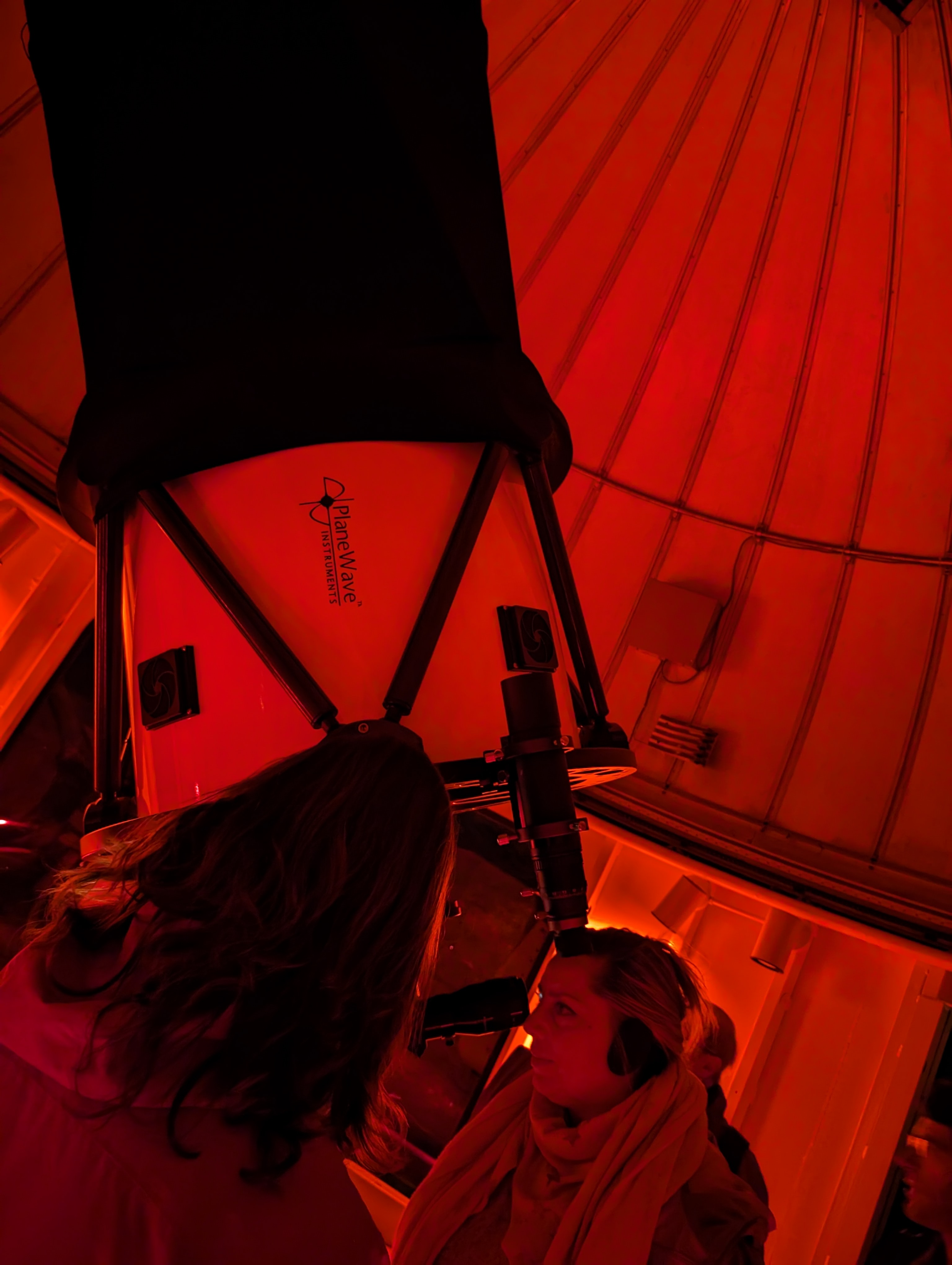
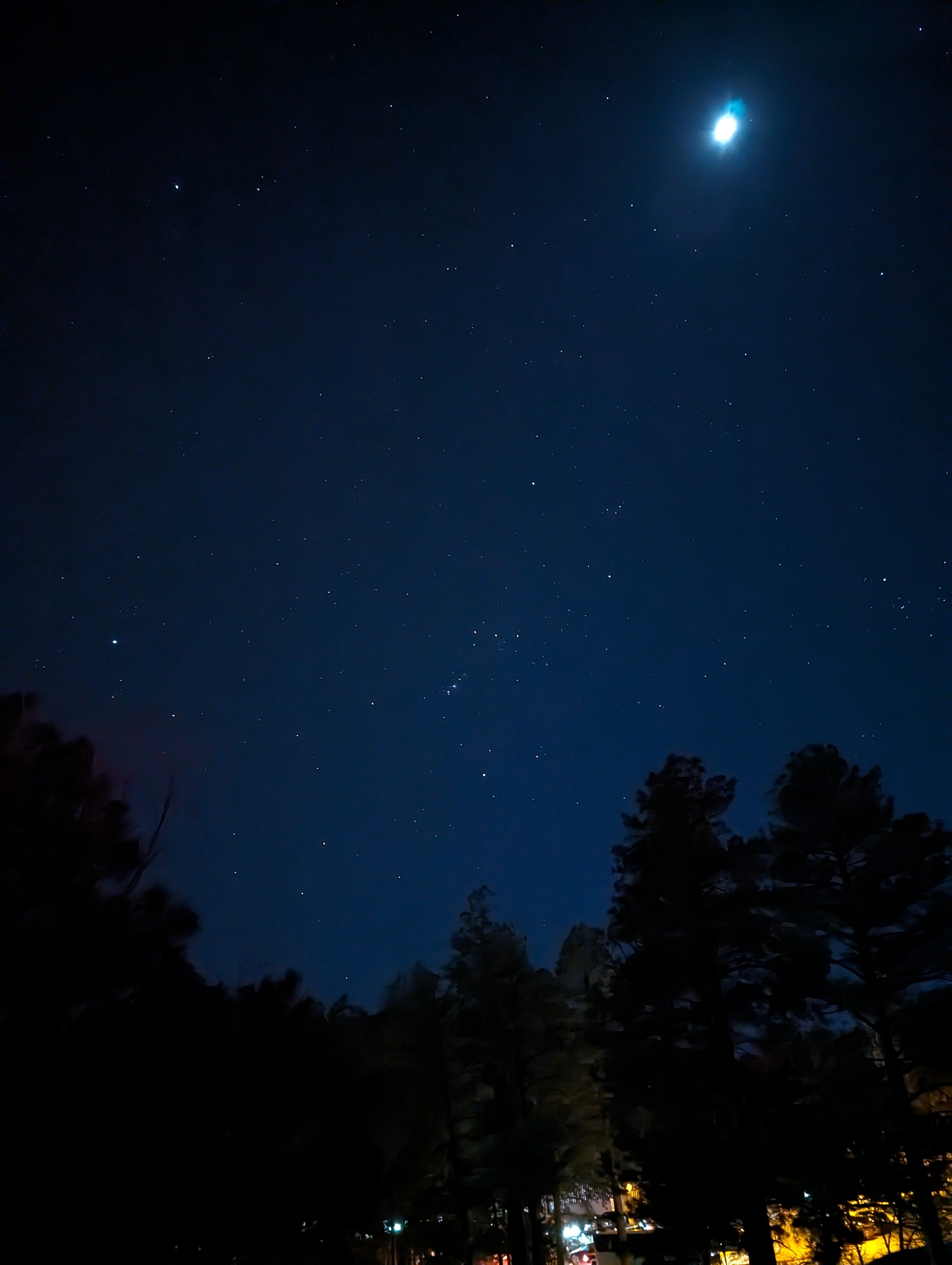
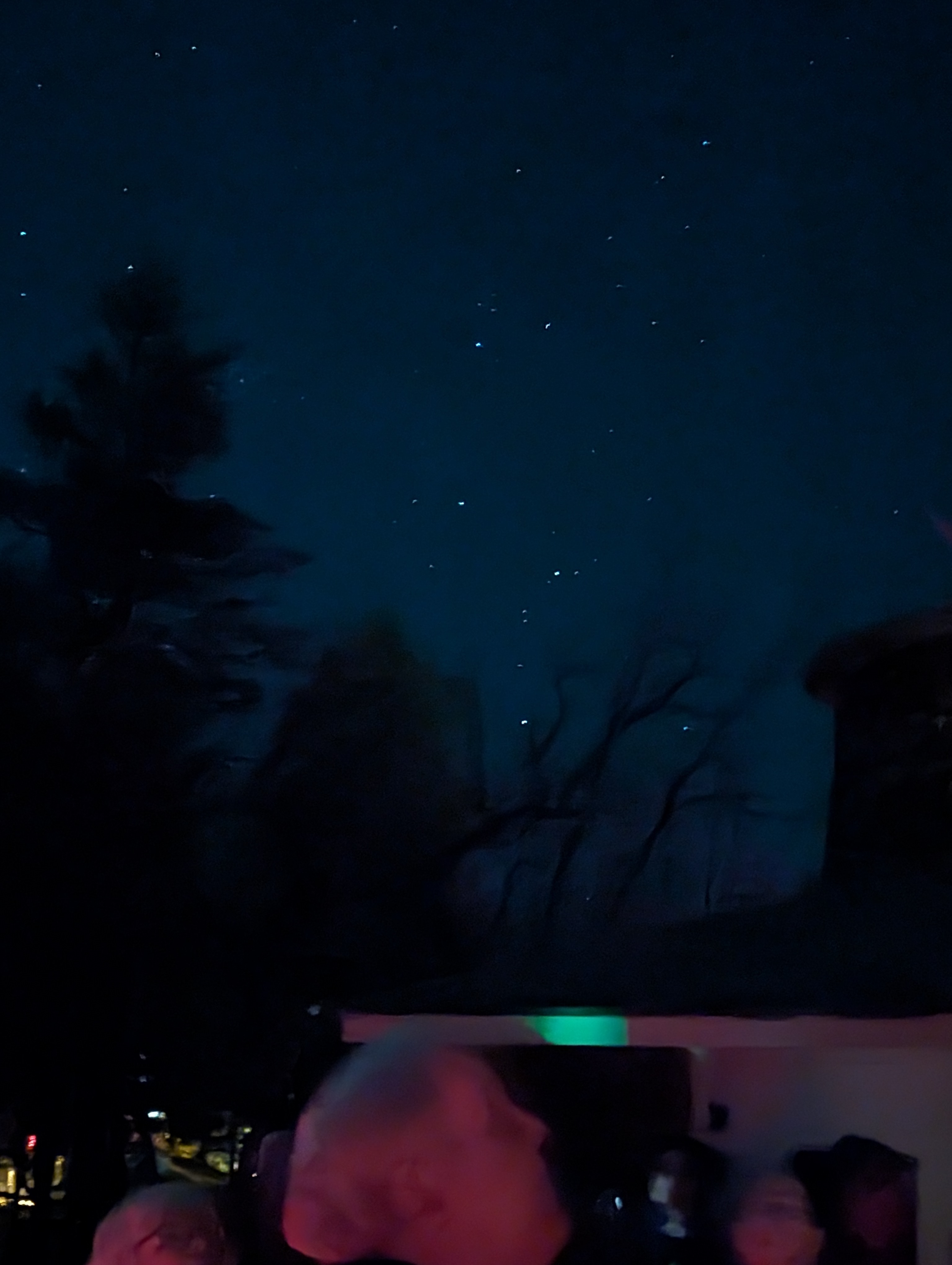
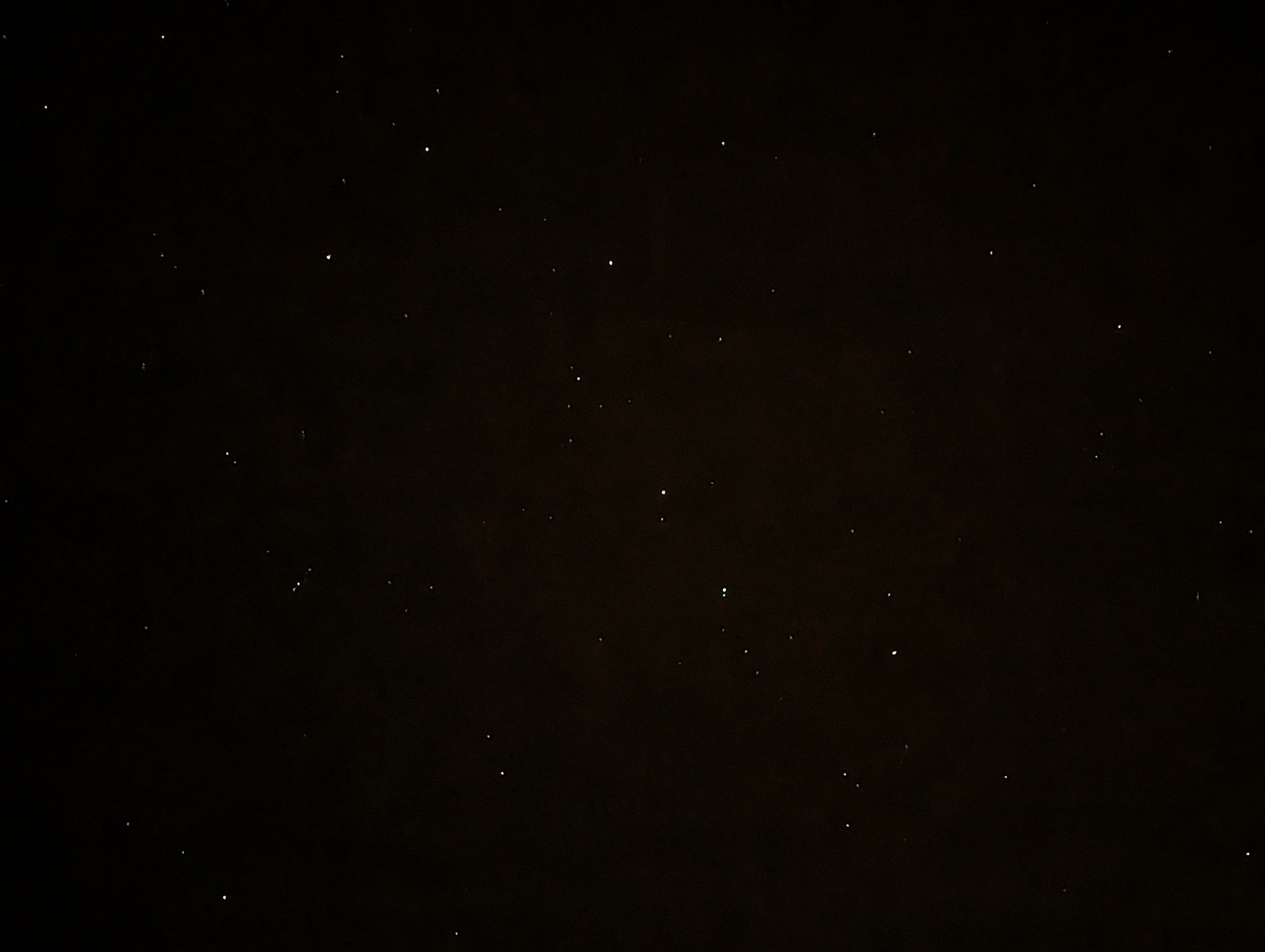
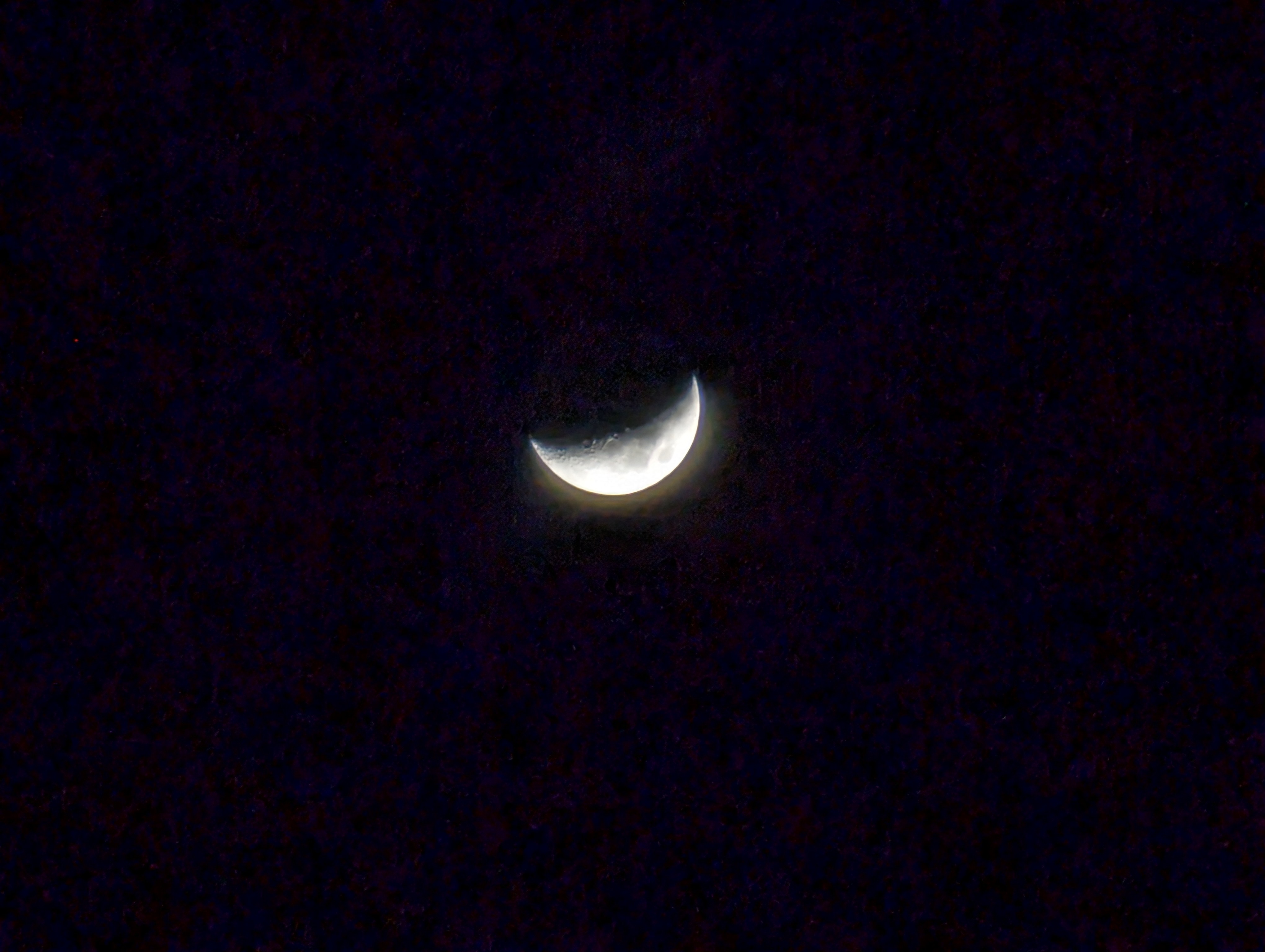
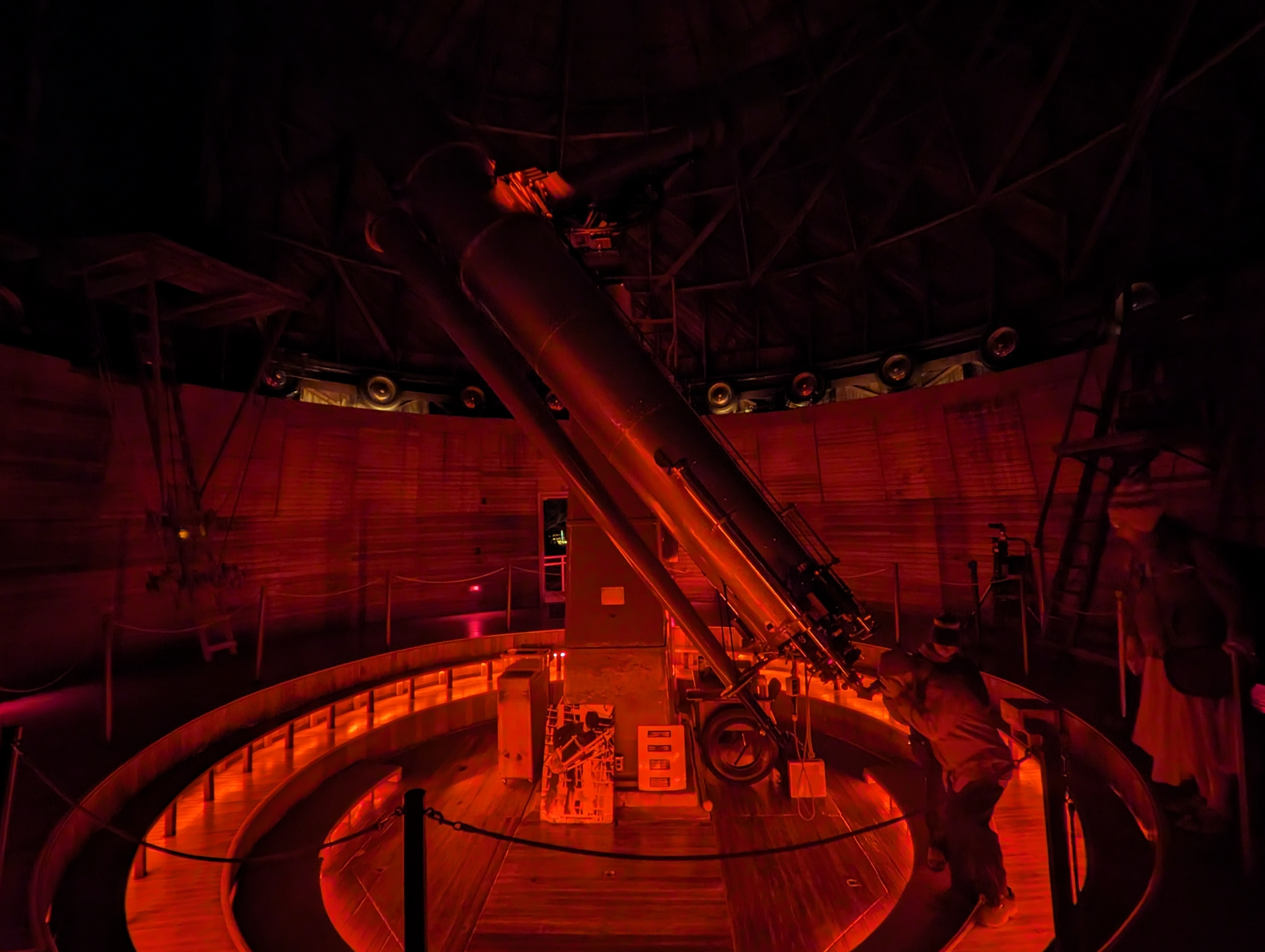
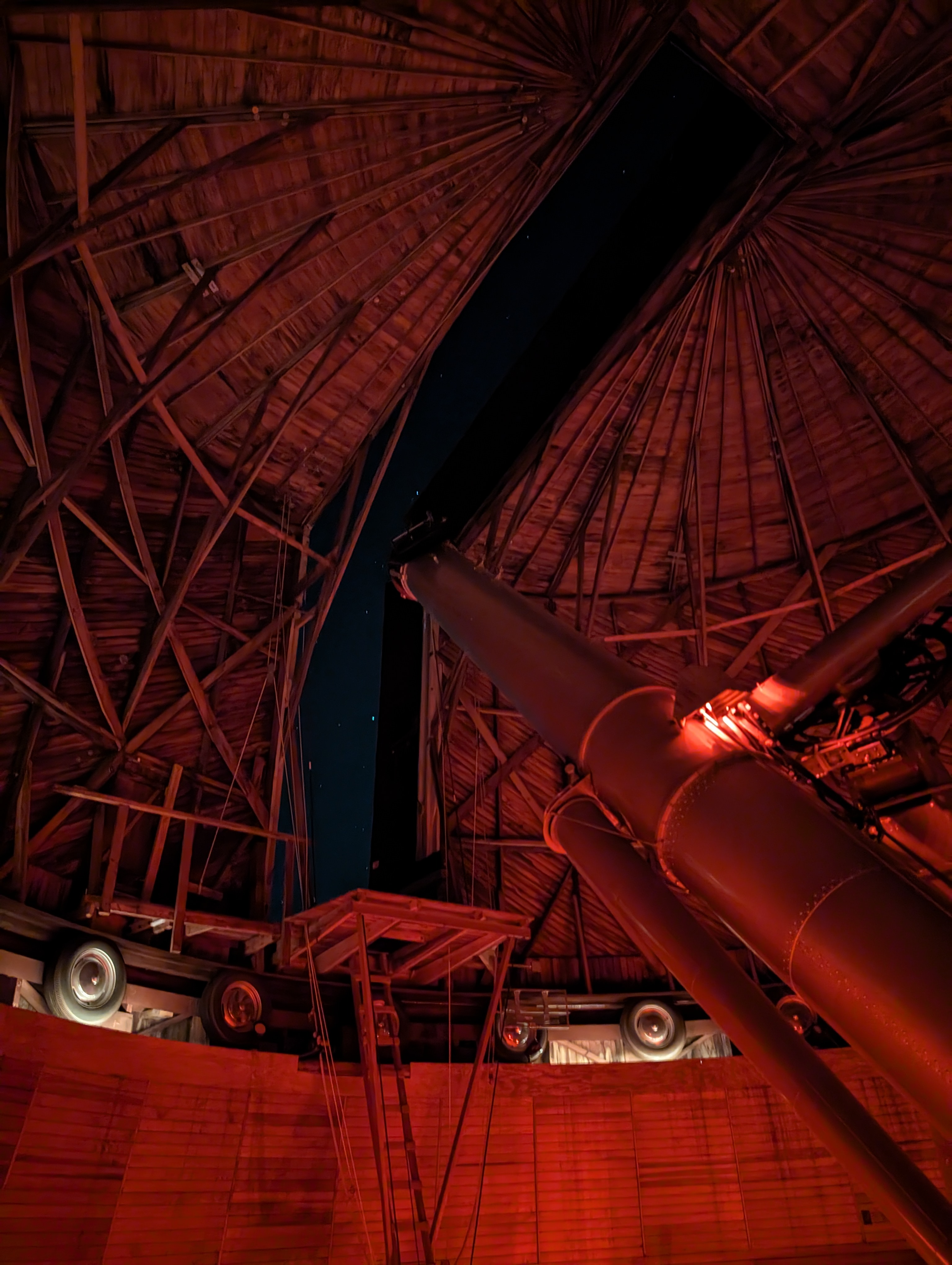
On the evening of Saturday, 13th April 2024, I visited the Lowell Observatory on Mars Hill, in Flagstaff, Arizona. This was one of several sites of astronomical importance that I visited while on the Astro Trails Southwest USA Tour, following the total eclipse I witnessed in Texas on the 8th April. The observatory was founded in 1894 by wealthy Bostonian Percival Lowell, who would later go on to claim he could see a network of canals on Mars (which turned out to be nothing more than an optical illusion). In 1930 the dwarf planet Pluto was discovered at the observatory by Clyde Tombaugh. On my visit, in the company of other tour group members, and despite a bright waning crescent Moon, the skies were otherwise dark and very, very clear. Indeed, our guide from the observatory told us that they had 360 clear nights a year. I told them we had the other 5! We were not given a tour of the observatory per se (I did have a private tour of the facility in January 1995), but rather given a chance to simply look up and enjoy the beautiful skies above our head, many just using the naked eye, some with binoculars, and many, like myself, taking photos with smart phones and DSLRs. We did get a chance to look through the eyepiece of the impressive Brian Dyer Telescope - a 24-inch PlaneWave Corrected Dall-Kirkham instrument, viewing some favourite Messier objects. I also managed a peek inside the dome of the historic 24-inch Clark Refractor that was used by Percival Lowell. Unfortunately, I missed the chance to look through that hallowed telescope as the relentless tour schedule meant we had to get back on the coach for the hotel! Here are some of the pictures I took on the evening, all taken using my new Google Pixel 8 Pro phone, putting the night photography capabilities of it to good use. Quite frankly I was amazed at the results!
|